Living near the water in Vallejo or Benicia comes with views of the Carquinez Strait and San Pablo Bay, and with a steady supply of moist, salty air. That air settles on siding, trim, railings and fasteners every day, and over time it changes how paint wears. Choosing the right exterior paint for coastal homes, and preparing the surface properly before it goes on, makes a real difference to how long the finish lasts.
Waterfront exteriors here also include a lot of older wood homes, with Victorian and Craftsman detail that takes careful prep. Our exterior painting work near the water starts with an honest look at salt, moisture and metal, because those are the things that undo a paint job early. This guide covers how salt air affects wood, trim and metal, what to do about rust, how prep and primers fit in, and the routine washing that helps a coastal finish hold up.
Key takeaways
- Salt deposits hold moisture against painted surfaces and must be washed off before any paint or primer goes on.
- Rust on railings, gates and fasteners needs to be removed back to sound metal and primed with a rust-inhibiting primer.
- Victorian and Craftsman detail needs careful hand prep, because water collects in joints, ledges and profiles.
- A gentle freshwater rinse once or twice a year helps a coastal paint job last longer.
Exterior paint for coastal homes: how salt and moisture affect siding and trim
Salt in the air does not damage paint on its own so much as it works alongside moisture. Fine salt deposits settle on the surface, draw in moisture from fog and damp air, and hold it against the coating. On wood siding and trim, that steady dampness finds its way into any gap: an open joint, a crack in old caulk, a nail hole or the end grain of a board. Once water gets behind the paint, it lifts, blisters and peels.
Wind-driven moisture adds to the wear on the sides of the house that face the water. Those elevations often show chalking, peeling and bare wood sooner than sheltered sides. Paint also does not bond well to a salty surface, so any repaint near the water starts with a thorough wash to remove deposits, followed by enough drying time for the wood to release the moisture it has taken on.
Victorian and Craftsman details near the water
Vallejo and Benicia both have older neighborhoods with Victorian and Craftsman homes, and those styles are full of features that hold water: decorative brackets, spindles, shingle patterns, deep window casings, exposed rafter tails and layered trim. Each ledge and joint is a place where salt and moisture collect, and where paint fails first.
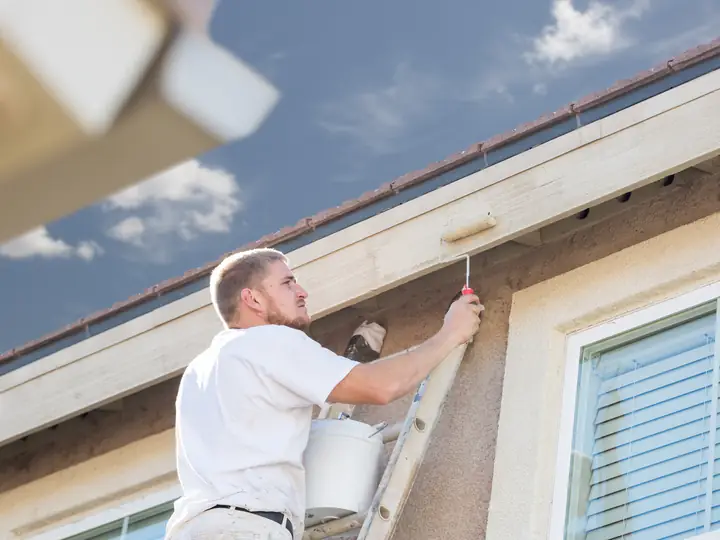
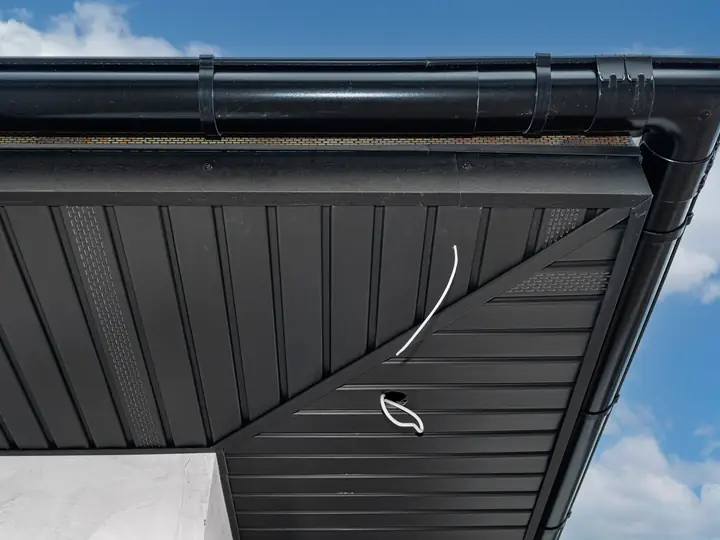
Working on these homes takes patience. Loose paint is scraped and sanded by hand, failed caulk is cut out and replaced, and soft or rotted wood is identified before any primer goes on. Painted surfaces on older homes may also contain lead, so homes built before 1978 call for lead-safe work practices during prep. Gutters, fascia and window trim deserve the same attention, and our gutter and trim painting treats these details as their own part of the job rather than an afterthought.
Rust on railings, gates and fasteners
Metal is where salt air shows its effect most clearly. Iron railings, steel gates, light fixtures, hinges and exposed nails can begin to rust within a few seasons near the water. On painted wood, rusting nail heads bleed orange streaks down the siding and can loosen over time.
Painting over rust does not stop it. The approach that holds up includes these steps:
- Remove loose rust and flaking paint by wire brushing or sanding back to sound metal.
- Clean off salt, dust and oil, then let the metal dry completely.
- Apply a rust-inhibiting metal primer promptly, before fresh rust can form.
- Finish with a topcoat suited to exterior metal, and seal or replace rusting fasteners where needed. Stainless steel or hot-dipped galvanized fasteners are the usual choice near the water.
Prep, primers and choosing exterior paint for coastal homes
Good coatings matter, but prep matters more. A typical coastal repaint begins with a wash to remove salt, mildew and chalk, followed by scraping, sanding, caulking and wood repair. Bare wood is spot primed with a primer suited to exterior wood, and stains from tannins or rust are sealed so they do not bleed through.
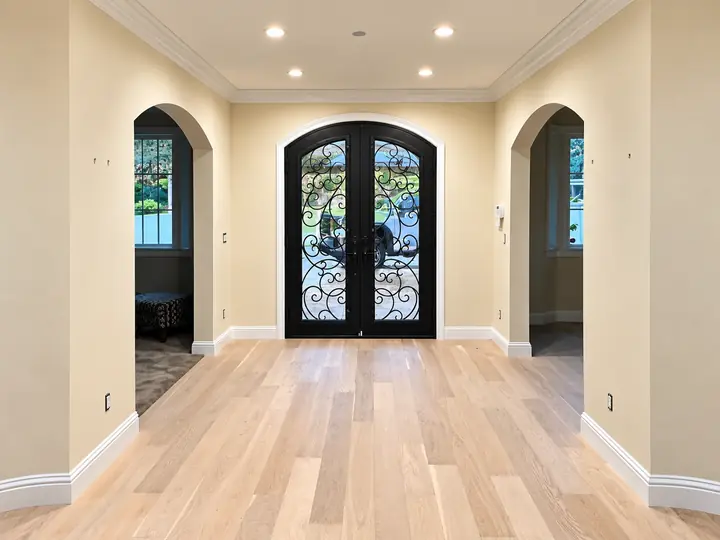
When it comes to exterior paint for coastal homes, a high-quality exterior acrylic is the usual choice for wood siding and trim. It stays flexible as wood swells and shrinks with moisture, and it lets some vapor escape rather than trapping it. Finish matters too: satin and semi-gloss finishes on trim and doors are easier to rinse clean of salt than flat finishes. For metal, the topcoat should be one rated for exterior metal and compatible with the primer underneath. The right product for a specific home depends on its materials, exposure and existing coatings, which is why we assess each surface before recommending anything. Entry doors and side gates near the water get similar care through our door and gate painting.
Maintenance washing that helps paint last
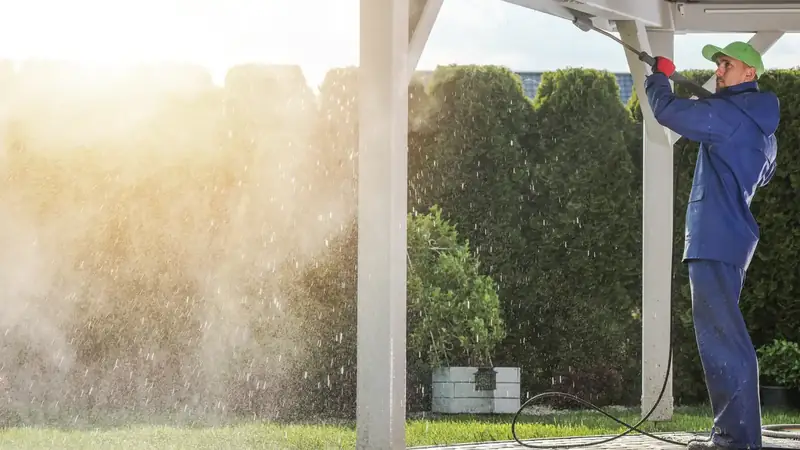
The simplest way to extend a coastal paint job is to rinse off the salt regularly. A gentle freshwater rinse with a garden hose once or twice a year, focusing on the sides facing the water, railings and areas under eaves that rain does not reach, removes deposits before they build up. High-pressure washing is not needed and can force water into joints.
Alongside rinsing, walk around the house each year and look for early signs of trouble: cracked caulk, small areas of peeling, rust spots on railings and mildew in shaded corners. Catching these early often means a small touch-up instead of a larger repair later.
Keep an eye on the metal as well. A spot of rust on a railing or gate that is cleaned and primed promptly stays a small job. Left through a damp winter, it spreads under the surrounding paint and turns into a larger strip-and-repaint. Shaded walls that stay damp near the water can also grow mildew, which should be washed off gently and treated before any new paint goes on, since paint applied over mildew will not hold.
The next step
Salt air is part of life near the water in Vallejo and Benicia, and it does not have to mean constant repainting. With thorough prep, proper treatment of rust and well-chosen exterior paint for coastal homes, followed by simple maintenance rinsing, a finish can hold up well. Nex-Gen Painting provides exterior painting for waterfront homes in Vallejo and Benicia, backed by our workmanship guarantee, and we offer 10% off any job over $2,500. To schedule a free written estimate, call or text (707) 397-9661, any time, 24/7.
Frequently asked questions
What type of paint holds up well near salt water?
For wood siding and trim, a quality exterior acrylic is the usual choice because it stays flexible and lets moisture escape rather than trapping it. Metal needs a rust-inhibiting primer and a compatible topcoat rated for exterior metal. The right choice for a particular home depends on its materials and existing coatings, so the surface should be assessed before a product is chosen.
How often should I rinse salt off my house?
A gentle freshwater rinse once or twice a year is a good routine for homes near the water. Focus on the sides that face the bay or strait, railings, and areas under eaves that rain does not wash. A garden hose is enough. Avoid high pressure, which can force water into joints and behind trim.
Can rusty railings be painted, or do they need replacing?
Most rusty railings can be painted if the metal is still structurally sound. Loose rust and old paint are removed back to solid metal, the surface is cleaned and dried, and a rust-inhibiting primer is applied before the topcoat. If the metal has rusted through or the railing feels loose, it should be repaired or replaced before painting.

Ismael is the owner of Nex-Gen Painting LLC in Vallejo. He and his crew paint homes and businesses across Solano, Napa and Sonoma counties. Call or text (707) 397-9661 with a question about your project.