Homeowners across Solano, Napa and Sonoma counties often ask us about the best time to paint house exterior walls, and the honest answer is that it depends on more than the calendar. The region has a long, dry season that suits exterior work, but morning fog near the bay, strong afternoon sun and the timing of the first rains all affect how well paint goes on and how long it lasts.
Paint is a chemical product that needs the right conditions to bond and cure. Applied in the wrong weather, even a good coating can blister, peel or fade early. If you are planning exterior painting for your home, this guide covers the dry season window, the temperature and moisture basics, how crews handle fog and sun, and what to do if your project lands in winter.
Key takeaways
- The North Bay dry season, roughly late spring through early fall, is the main window for exterior painting.
- Paint needs surfaces that are clean, dry and within the temperature range on the product label, during application and while it dries.
- Morning fog and dew mean work often starts once surfaces dry, and crews follow the shade around the house on hot afternoons.
- Booking early secures your preferred dates, and winter is a good time for interior projects and planning.
The dry season: the best time to paint house exterior walls in the North Bay
The North Bay has a Mediterranean climate: most of the year's rain falls between late fall and early spring, and the months between are usually dry. That long dry stretch, roughly from late spring into early fall, is the main exterior painting season. Siding and stucco have time to dry out after the rains, and the chance of a storm interrupting work is low.
Within that window, late spring and early fall are often more comfortable. Temperatures are moderate, surfaces are dry, and the hottest days of summer have either not arrived or have passed. Midsummer is still workable, but it calls for more care with heat and direct sun, which we cover below. The season tends to close once the first steady rains arrive, which in some years comes early and in others holds off well into the fall.
Conditions also vary across the region. Inland towns such as Fairfield and Vacaville tend to run hotter and drier in summer, while homes near the bay see more fog and cooler mornings. A crew that works across Solano, Napa and Sonoma counties plans each day around the local weather rather than a single regional forecast.
Temperature and humidity basics for the best time to paint house exterior surfaces
Every exterior paint has a minimum application temperature printed on the label, and that temperature applies to the surface as well as the air. Paint also needs to stay above it while it dries, which means a warm afternoon followed by a cold night can still cause problems if the coating has not had time to set.
Moisture matters as much as temperature. A few basics guide how a professional crew decides whether a day is suitable:
- Surfaces must be dry to the touch and dry inside. Wood and stucco hold water after rain, so they need time before paint goes on.
- Dew is a concern late in the day. Paint applied too close to evening can be marked by dew before it sets, leaving a dull or streaky finish.
- The surface should stay warmer than the dew point, so moisture does not condense on it while the paint dries.
- A forecast with no rain for the drying period stated by the manufacturer is needed before a coat goes on.
Morning fog and afternoon sun on south and west walls
Near the water in Vallejo, Benicia and along the bay, mornings often start with fog or a heavy marine layer, even in summer. Fog leaves surfaces damp, so a crew may begin with prep, masking or shaded work and wait for walls to dry before applying paint. It is a normal part of painting in this region and a sign the crew is paying attention, not a delay.
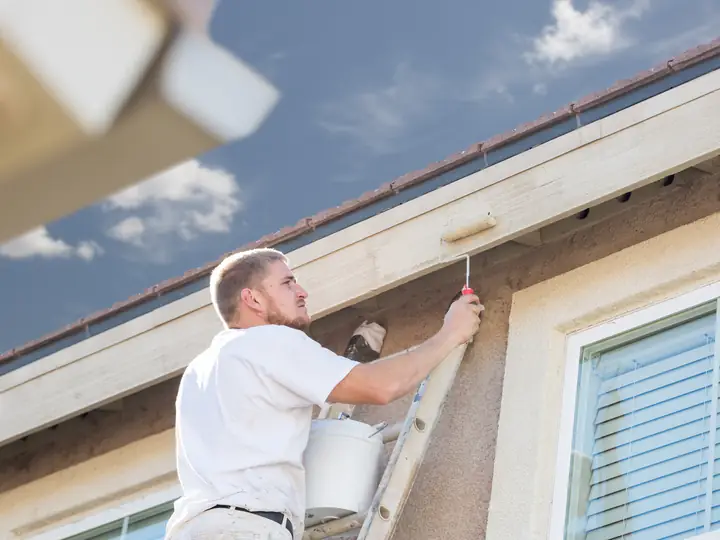
Afternoons bring the opposite problem. South and west elevations take strong direct sun, and a wall in full sun can be much hotter than the air around it. Paint applied to a hot surface can dry too fast, which leads to lap marks, poor flow and weaker adhesion. The usual approach is to follow the shade: paint east walls in the morning, then move to south and west walls once the sun has moved off them. Those same south and west elevations also fade and chalk faster over the years, which is why color and coating choice matters most on those sides.
Schedule ahead, and what happens in a wet winter
Because so many homeowners want work done in the same dry months, the calendar fills. Requesting an estimate in late winter or early spring gives you time to compare options, choose colors and secure dates that suit you. It also leaves room for any repair work, such as replacing damaged trim, to be done before painting begins.
In a wet winter, exterior painting slows down rather than stopping entirely. Clear, dry spells between storms can allow small exterior jobs, such as a front door or a short run of trim, as long as surfaces are dry and temperatures stay within the label range. Larger repaints are generally better held until spring. Pushing a full exterior through damp weather risks blistering and peeling that cost more to fix than the wait. If wood is already exposed and taking on water, temporary spot priming can protect it until the season opens.
Use the winter months for interior work
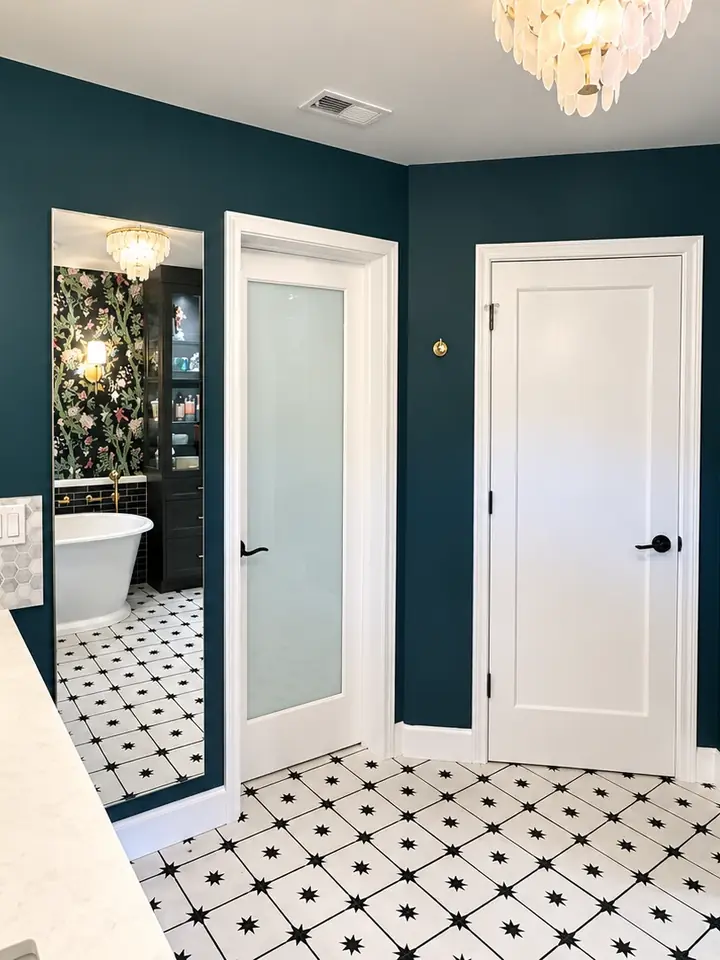
Winter is a good time to bring work indoors. Interior paint is not affected by fog or rain, and the rooms you live in every day often benefit the most from fresh color. Our interior painting service covers walls, ceilings, trim and doors, and the cooler months are often easier to schedule.
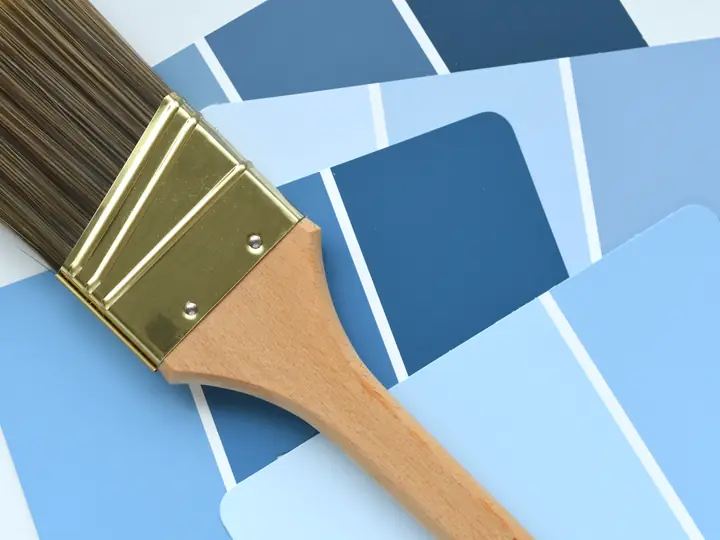
Winter is also the right time to plan an exterior project for the coming season. Walking the property, noting areas of peeling or rot, and settling on colors in advance means the crew can start as soon as conditions allow. If you are unsure about colors for a sun-exposed home, a color consultation can help you choose shades that suit the light and the setting.
The next step
For most North Bay homes, the best time to paint house exterior surfaces is during the dry season, on days when walls are dry, temperatures are within the label range and the crew can work around fog and direct sun. Planning ahead secures your dates and gives you time to settle the details. Nex-Gen Painting provides exterior house painting across Solano, Napa and Sonoma counties, backed by our workmanship guarantee, and we currently offer 10% off any job over $2,500. To book a free written estimate, call or text (707) 397-9661. We are available 24/7.
Frequently asked questions
What month is best for exterior painting in the North Bay?
There is no single month, but late spring and early fall are often a good fit. The rains have usually passed or not yet started, surfaces are dry and temperatures are moderate. Summer works well too, with care around hot afternoon sun. The season generally ends once steady rain returns, which varies from year to year, so planning early in the year gives you the most flexibility.
Can you paint a house exterior when it is foggy?
Paint should not go onto a surface that is damp from fog or dew, because moisture can affect adhesion and leave a poor finish. On foggy mornings, a crew will usually start with prep work or shaded areas and begin painting once the walls are dry. Fog is a normal part of working near the bay and is planned around rather than ignored.
Is it a problem to paint in direct sun?
It can be. A wall in strong direct sun can be much hotter than the air, and paint applied to it may dry too quickly, leaving lap marks and weaker adhesion. Crews usually follow the shade around the house, painting each side when the sun is off it. This matters most on south and west walls during summer afternoons.

Ismael is the owner of Nex-Gen Painting LLC in Vallejo. He and his crew paint homes and businesses across Solano, Napa and Sonoma counties. Call or text (707) 397-9661 with a question about your project.